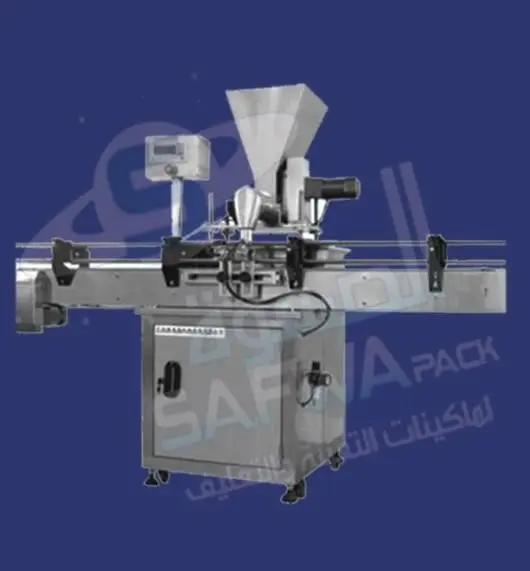
Choosing the right filling machine is one of the most important decisions affecting production-line efficiency and final product quality. With major developments in the food, pharmaceutical, and chemical industries, factories increasingly rely on automatic filling systems to increase production speed, reduce waste, and improve package appearance.
Among the most common filling machines used in factories are vertical and horizontal filling machines. Each type has a different operating method and is suited to specific products.
If you are wondering, “What is the difference between vertical and horizontal filling?” the answer depends on the product type, required package shape, production volume, and your factory’s operating requirements.
In this article, we explain the difference between the two types, the advantages of each machine, their main applications, and how to choose the best solution for your production line.
What Are Vertical Filling Machines?
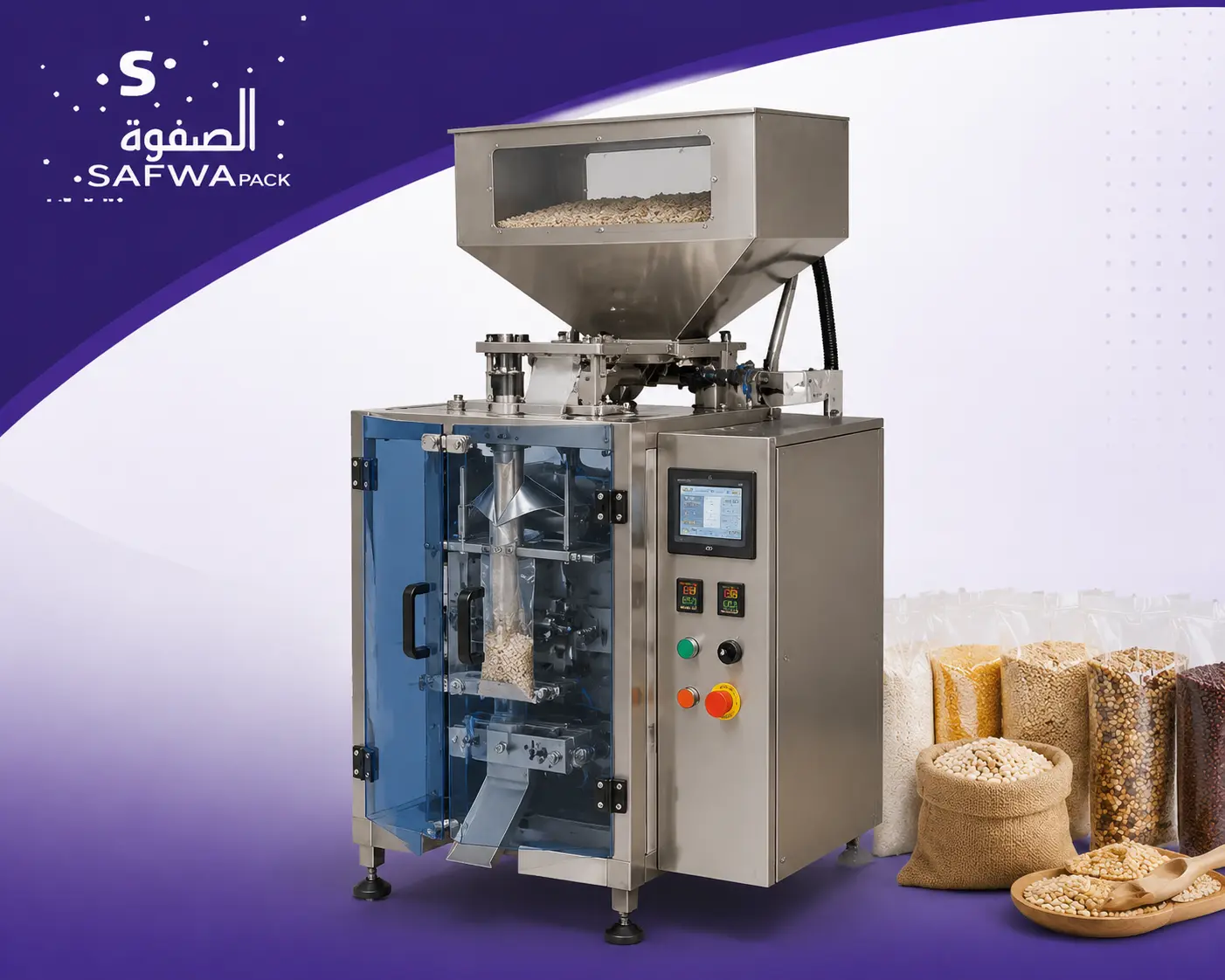
Vertical filling machines, also known as Vertical Form Fill Seal (VFFS) machines, form packages from plastic film rolls in a vertical direction, fill the product inside, and seal the package in one production cycle.
These machines pull the packaging material and form it into a bag, add a specified quantity of product, then seal and cut the package so it is ready for packing and distribution.
Vertical filling machines are widely used for products that require fast packaging, such as:
-
Legumes.
-
Sugar and rice.
-
Spices.
-
Nuts.
-
Powders.
-
Granular products.
-
Some types of liquids.
Are you looking for a vertical filling machine that suits your product and factory production volume?
Contact El Safwa filling and packaging experts for a technical consultation and choose the ideal solution to increase production efficiency, reduce waste, and achieve better operating results.
Discover filling and packaging solutions suitable for your factory and request a quotation today.
What Are Horizontal Filling Machines?
Horizontal filling machines, also known as Horizontal Form Fill Seal (HFFS) machines, operate differently. The product moves horizontally through the packaging line, while the package is formed and sealed around it.
This type of machine is distinguished by its ability to handle products that require a specific packaging shape or are difficult to fill vertically.
Common applications include:
-
Ready-to-eat food products.
-
Chocolate and biscuits.
-
Medical products.
-
Soap and detergents.
-
Products that require attractive individual packaging.
What Is the Difference Between Vertical and Horizontal Filling in Terms of Operation?
When comparing operating methods, the main difference is the direction in which the product moves during filling.
In a vertical filling machine, the product moves from top to bottom into the package. This makes it more suitable for products that rely on gravity during filling, such as grains and powders.
A horizontal filling machine moves the product horizontally into the package, making it suitable for products that require more arrangement or protection during packaging.
Therefore, determining the difference between vertical and horizontal filling always starts with the product type and how it should be handled inside the production line.
Comparison Between Vertical and Horizontal Filling
| Comparison Point | Vertical Filling | Horizontal Filling |
|---|---|---|
| Operating direction | Vertical, from top to bottom | Horizontal through the production line |
| Production speed | Very high for bulk products | High for individual products |
| Required space | Requires less space | Requires more space |
| Suitable products | Granules, powders, and liquids | Solid and shaped products |
| Operating cost | Often more economical | Relatively higher |
| Package shape | Various bag styles | Professional and attractive packages |
Advantages of Vertical Filling Machines
Vertical filling machines offer several advantages that make them suitable for many factories, including:
1. High Production Speed
These machines help produce large quantities in a short time, making them suitable for factories operating at high production capacity.
2. Space Saving
Thanks to their vertical design, these machines require less operating space than some other filling systems.
3. Reduced Waste
Modern systems precisely control product weight and filling quantity, reducing waste during operation.
4. Versatile Use
The same system can be used for different products after changing certain settings or filling units.
Advantages of Horizontal Filling Machines
Horizontal filling machines also offer several benefits that make them suitable for specific industrial sectors, including:
1. High-Quality Package Appearance
They give products a professional appearance that improves customer experience and increases product appeal on store shelves.
2. Suitable for Sensitive Products
Some products require gentle handling during filling. In these cases, horizontal machines are the better choice.
3. Ability to Add Multiple Systems
They can be integrated with printing systems, labeling machines, and different control units.
What Is the Difference Between Vertical and Horizontal Filling by Product Type?
Choosing the filling machine type depends mainly on the nature of the product.
If the product is loose, powdered, or granular, vertical filling is often the most efficient solution.
However, if the product needs to be arranged inside the package or packed as a single item—such as confectionery, biscuits, or medical products—horizontal filling is more suitable.
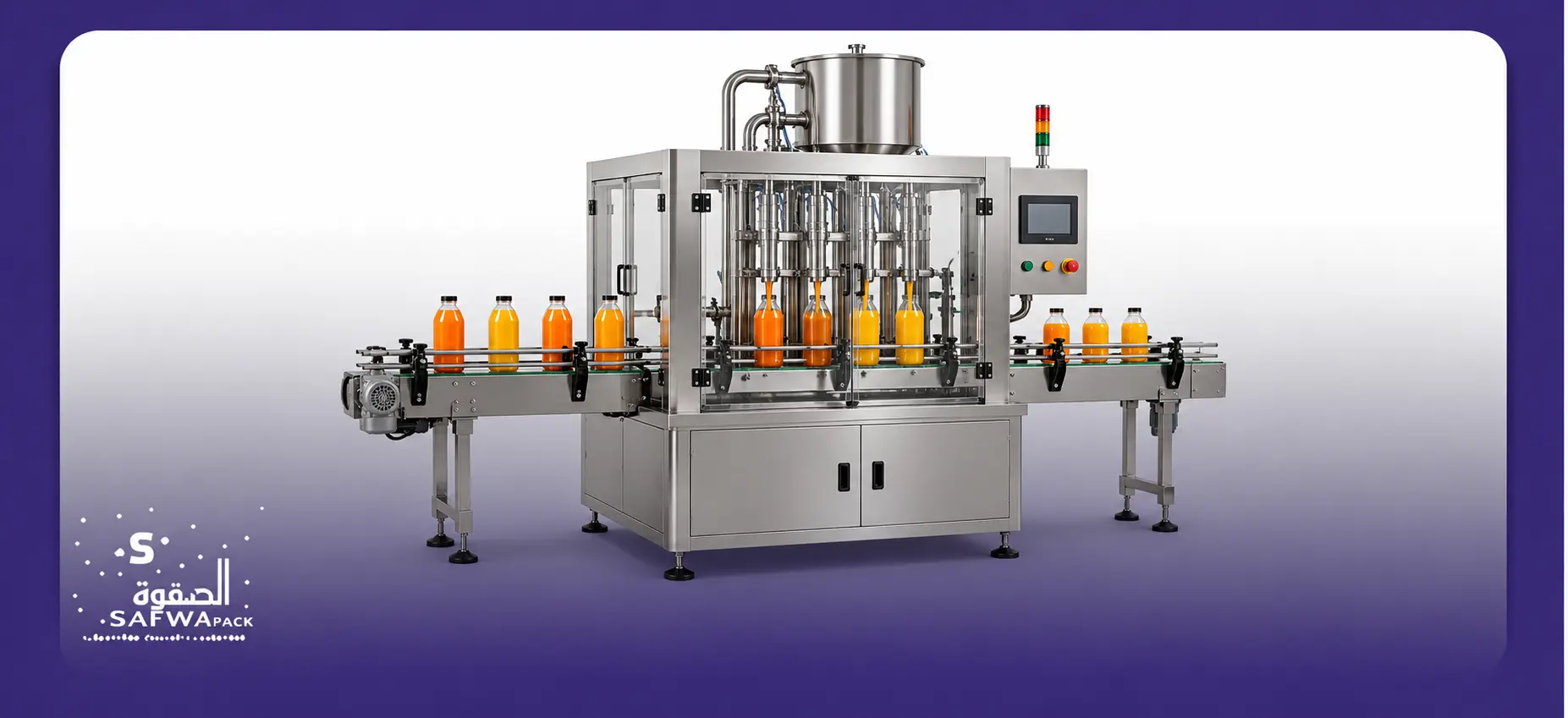
For example, when choosing a liquid filling machine, the right system depends on liquid viscosity, package size, and the required production speed.
How Do You Choose Between a Vertical and Horizontal Filling Machine?
Before purchasing a filling machine, you should study several important factors, including:
Product Type
Is the product liquid, powder, granular, or a solid item that needs to be arranged inside the package?
Production Volume
Factories with high production volumes need a machine capable of operating for long periods with speed and stability.
Required Package Type
Package shape directly affects the selection of the appropriate filling system.
Available Budget
The cost varies according to machine type, speed, automation level, and required add-ons.
When evaluating filling and packaging machine prices, do not rely only on price. Compare capabilities, operating lifespan, and after-sales service as well.
Mistakes to Avoid When Choosing a Filling Machine
Some factory owners make mistakes that affect production efficiency, such as:
-
Buying a machine that does not suit the product type.
-
Focusing only on the lowest price.
-
Ignoring maintenance services and spare-parts availability.
-
Not testing the machine before purchase.
It is therefore important to work with filling and packaging companies that have experience in designing production lines and providing solutions suited to each factory’s needs.
In the end, there is no type that is absolutely better between vertical and horizontal filling. The right choice depends on the product type and operating requirements.
Vertical filling is ideal for bulk products that require high production speed and economical operating costs. Horizontal filling, on the other hand, is suitable for products that need distinctive package designs and greater protection during packaging.
The final answer to the question, “What is the difference between vertical and horizontal filling?” is that each type has its role, and the choice depends on your factory’s needs—not the machine type alone.
If you are looking for a filling machine suitable for your project, the El Safwa team provides filling and packaging solutions designed according to product type and required production capacity, with technical support to help you choose the best system for your production line.